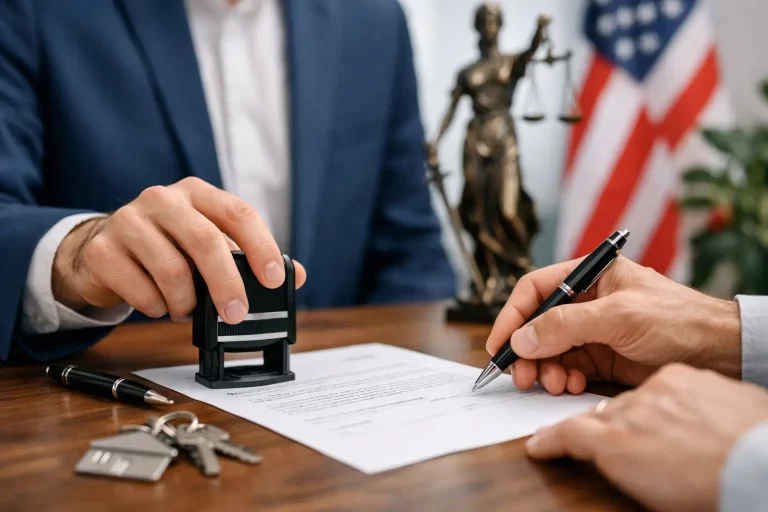

You usually realize you need notarization at the worst possible time – when a deadline is close, the signer cannot travel, or the paperwork is tied to something bigger like a real estate closing, power of attorney, or business filing. That is exactly when a mobile notary for legal documents becomes more than a convenience. It becomes a practical way to keep an important matter moving without adding more stress.
For individuals and small business owners, notarization is rarely the main event. It is one step inside a larger issue that already carries pressure. Maybe you are finalizing estate paperwork for a parent, signing an affidavit for a court matter, updating business records, or handling documents tied to taxes, property, or financial authority. In those moments, you do not need extra confusion. You need a notary who shows up, checks identity carefully, follows the rules, and helps the signing process stay orderly.
What a mobile notary for legal documents actually does
A mobile notary is a commissioned notary public who travels to the signer instead of requiring the signer to come to an office, shipping store, or bank. The core job is the same. The notary verifies identity, confirms the signer appears willing and aware, and completes the notarial act required by the document.
That said, the mobile part changes the experience in a meaningful way. It allows notarization to happen at a home, office, hospital, assisted living facility, job site, or another agreed location. For clients dealing with mobility limits, demanding schedules, family emergencies, or time-sensitive filings, that flexibility matters.
It is also worth clearing up a common misunderstanding. A notary is not there to give legal advice, interpret legal rights, or tell you whether a document is the right one to sign. The notary’s role is procedural and compliance-focused. If you need help understanding the legal consequences of a document, that is a separate conversation with an attorney or the professional who prepared the paperwork.
When a mobile notary makes the most sense
Some notarizations are easy to handle during a lunch break. Others are not. A mobile notary is especially useful when the signer cannot easily leave their location, when multiple people need to sign in one place, or when a missed appointment could delay a broader transaction.
This often comes up with powers of attorney, healthcare directives, trust-related paperwork, custody forms, real estate documents, settlement agreements, sworn statements, and certain business forms. Small business owners also use mobile notary services when partners, managers, or clients need documents executed quickly without interrupting the workday more than necessary.
There is also a practical advantage for families handling sensitive situations. If an elderly relative needs documents notarized, asking them to sit in traffic, wait in a lobby, and navigate a crowded office may not be realistic. Meeting in a familiar setting can reduce stress and make the process smoother, provided the signer is alert, willing, and able to communicate.
Not every legal document needs notarization
This is where people often lose time. Some documents must be notarized. Others simply benefit from notarization because it adds a formal identity check and can strengthen recordkeeping. And some documents may require witnesses in addition to notarization.
The exact requirement depends on the type of document and the state rules that apply. A power of attorney may need notarization. A contract between two parties may not. Certain court forms, property documents, and affidavits may have specific execution rules that cannot be guessed.
The safest approach is to confirm the requirement before the appointment. If a law firm, title company, court, agency, or financial institution gave you the document, review their instructions carefully. If the document was prepared independently, verify whether witnesses are needed and whether all signers must appear in person. Getting this right upfront prevents repeat visits and unnecessary delays.
What to expect at the appointment
A professional mobile notary appointment should feel straightforward. The notary will confirm the type of notarization requested, review the document for completeness at a high level, and check the signer’s identification. The signer must generally appear in person unless a state-authorized remote process is being used.
The notary will watch the signer sign, or confirm that an existing signature is theirs when the notarial act allows that procedure. Then the notary completes the certificate, applies the official seal, and records the act if required by state law or personal notary practice.
Timing depends on the document set. A single affidavit may take only a few minutes. A package with multiple signers, witness coordination, and several notarizations can take much longer. Travel time, building access, parking, and scheduling windows also affect the total appointment time.
That is one reason preparation matters. A mobile appointment is convenient, but convenience works best when everyone is ready when the notary arrives.
How to prepare for a mobile notary appointment
The most important step is identity. The signer should have a current, acceptable government-issued photo ID unless state rules allow another approved method of identification. Names on the ID and document should match closely enough to avoid problems. If there has been a recent name change or the document includes a variation, ask about it before the appointment.
Next, do not sign too early. Many documents must be signed in the notary’s presence. Signing ahead of time can create a problem depending on the type of notarial act.
You should also check the document for blanks. A notary may refuse to proceed if the paperwork appears incomplete in a way that could invite alteration later. That does not mean every field must be filled in by the notary. It means the document should be ready for signing, with instructions clear and unnecessary gaps addressed.
If witnesses are required, confirm who is responsible for providing them. Some notaries can help coordinate witnesses in certain situations, but that should never be assumed. Ask in advance.
Finally, choose a location that supports a clean signing process. A quiet table, good lighting, and all signers present can make a significant difference, especially for sensitive legal paperwork.
Common issues that can delay notarization
Most appointment problems are preventable. The biggest one is invalid identification. Expired IDs, missing IDs, or names that do not reasonably align with the document can stop the process immediately.
Another issue is signer awareness. If a signer appears confused, heavily medicated, pressured, or unable to communicate clearly, a notary may need to refuse the notarization. That can feel frustrating for families, but it is part of protecting the integrity of the document.
Incomplete paperwork causes delays too. So does uncertainty about the notarial certificate. If the document does not include the proper certificate wording, the notary may be limited in what they can do, depending on state law. The notary cannot choose a notarial act for you if doing so would cross into legal advice.
Timing is another trade-off. Mobile service saves travel for the client, but it usually comes with travel fees and tighter scheduling considerations. If your matter is urgent, same-day service may be possible, but not guaranteed. It is always better to schedule before a deadline becomes critical.
Choosing the right mobile notary for legal documents
For legal documents, reliability matters more than finding the lowest fee. You want someone who communicates clearly, arrives on time, handles identity checks carefully, and understands the seriousness of the paperwork without creating unnecessary drama around it.
Ask practical questions. What types of documents do they commonly handle? Do they serve your area? What identification is accepted? Are witnesses needed? What are the travel fees, after-hours fees, or wait-time charges? Can they meet at a hospital, residence, office, or care facility if needed?
It also helps to work with a provider who understands that notarization often sits alongside financial, tax, or business pressure. In those moments, responsiveness is part of the service. Clients are not just trying to get a stamp. They are trying to keep a larger process on track.
That is why many clients prefer a hands-on firm rather than a high-volume walk-in setting. A service-oriented provider such as Cheralis Financial understands that attention to detail, discretion, and steady communication can make a routine notarization feel far less overwhelming.
The value is not just convenience
A mobile notary does save time, but the real value is often control. Instead of rearranging your day around a basic procedural step, you bring the appointment to the place where the signer can participate comfortably and correctly. For families, that can reduce tension. For business owners, it can protect the schedule. For anyone handling serious legal paperwork, it can remove one more avoidable obstacle.
The key is to treat notarization as a compliance step, not an afterthought. Confirm the requirements, prepare the documents properly, and work with a professional who takes the process seriously. When that happens, a mobile notary for legal documents does exactly what it should do – help important paperwork get signed correctly, with less friction and more peace of mind.
If you are facing a document deadline, a family matter, or a business filing that already feels heavy, the best next step is often the simplest one: get the signing process organized before the pressure gets worse.